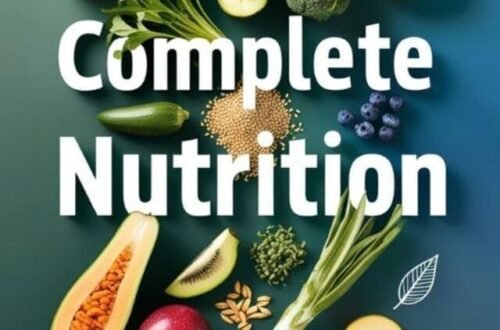
Healthy Food – A Complete Guide
Introduction
Healthy Food plays a very important role in our daily life. The food we eat directly affects our physical health, mental well-being, energy levels, and immunity. In today’s fast-paced lifestyle, many people depend on junk food, processed meals, and sugary drinks, which leads to health problems such as obesity, diabetes, heart disease, and poor digestion.
Choosing Healthy Food is not about strict dieting or giving up tasty meals. It is about making smart food choices that nourish the body and provide essential nutrients. A balanced diet with natural, fresh, and nutrient-rich foods helps us stay active, strong, and disease-free.
This article explains what Healthy Food is, its benefits, types of healthy foods, daily eating habits, common mistakes, and practical tips to include healthy food in everyday life.
What Is Healthy Food?
Healthy Food refers to foods that provide essential nutrients like vitamins, minerals, proteins, carbohydrates, healthy fats, and fiber in the right amount. These foods support body growth, repair tissues, improve immunity, and maintain overall health.
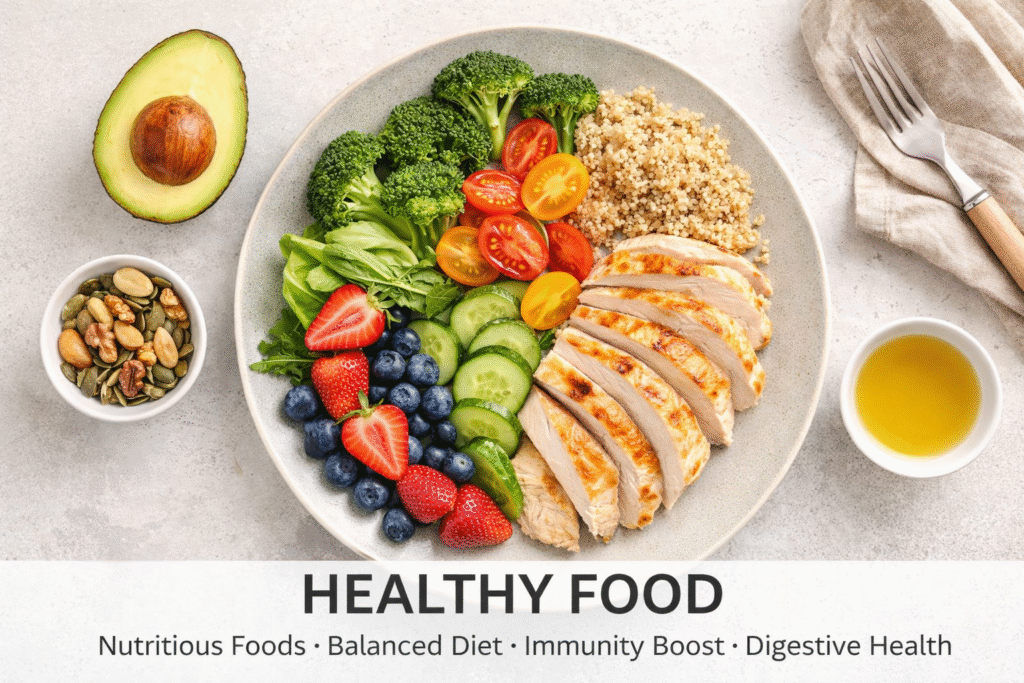
Examples of Healthy Food include fruits, vegetables, whole grains, pulses, nuts, seeds, dairy products, lean proteins, and healthy fats. These foods are natural, less processed, and free from harmful chemicals.
Eating Healthy Food regularly helps the body function properly and prevents long-term health issues.
Importance of Healthy Food in Daily Life
The importance of Healthy Food cannot be ignored. Our body needs proper nutrition to perform daily activities efficiently.
Key reasons why Healthy Food is important:
- Provides energy for daily tasks
- Strengthens the immune system
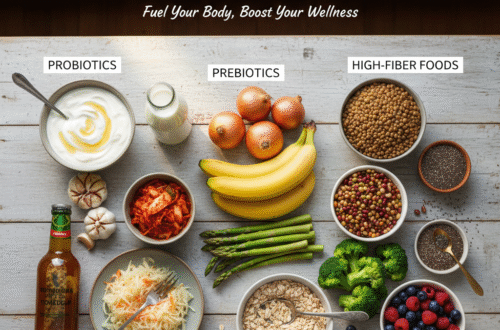
- Improves digestion and gut health
- Maintains healthy body weight
- Supports mental health and focus
- Reduces the risk of chronic diseases
When we eat Healthy Food, our body receives the right fuel to stay active and productive throughout the day.
Benefits of Healthy Food
1. Improves Overall Health
Consuming Healthy Food helps maintain blood pressure, cholesterol levels, and blood sugar, reducing the risk of heart disease and diabetes.
2. Boosts Immunity
Foods rich in vitamins C, D, zinc, and antioxidants strengthen the immune system and protect the body from infections.
3. Aids Digestion
Fiber-rich Healthy Food such as fruits, vegetables, and whole grains improves digestion and prevents constipation.
4. Maintains Healthy Weight
Balanced meals with Healthy Food prevent overeating and control body weight naturally.
5. Enhances Mental Health
Eating Healthy Food supports brain function, improves memory, and reduces stress and anxiety.
Types of Healthy Food
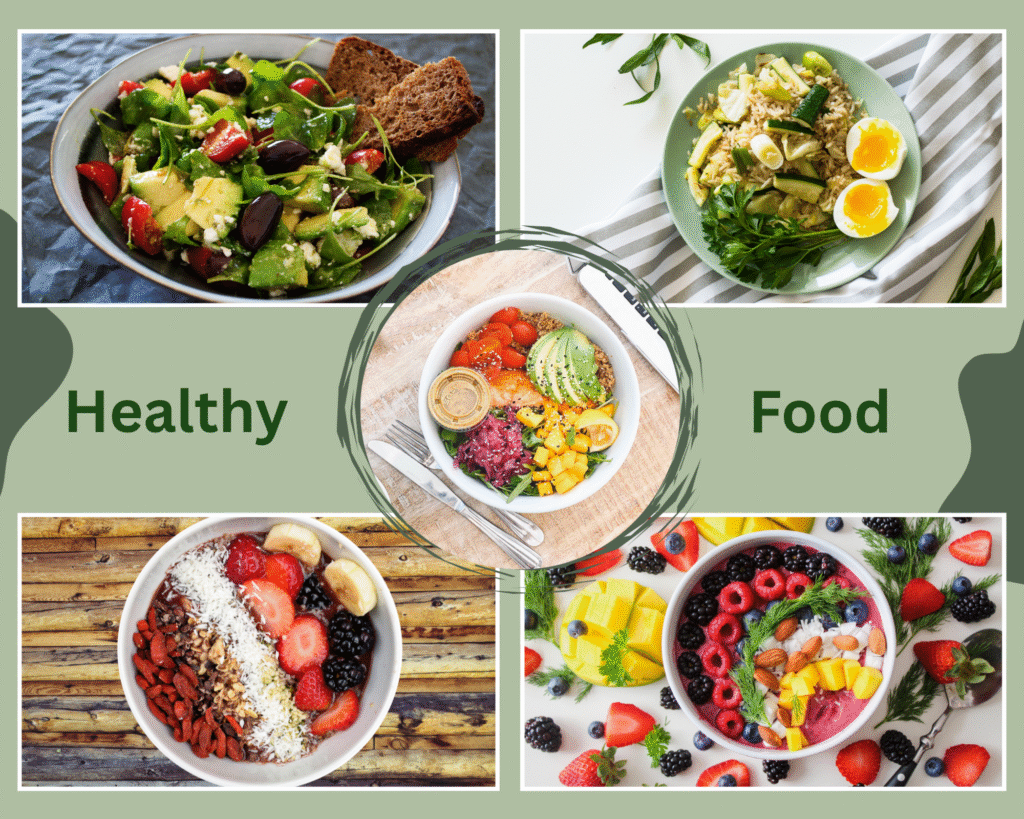
1. Fruits and Vegetables
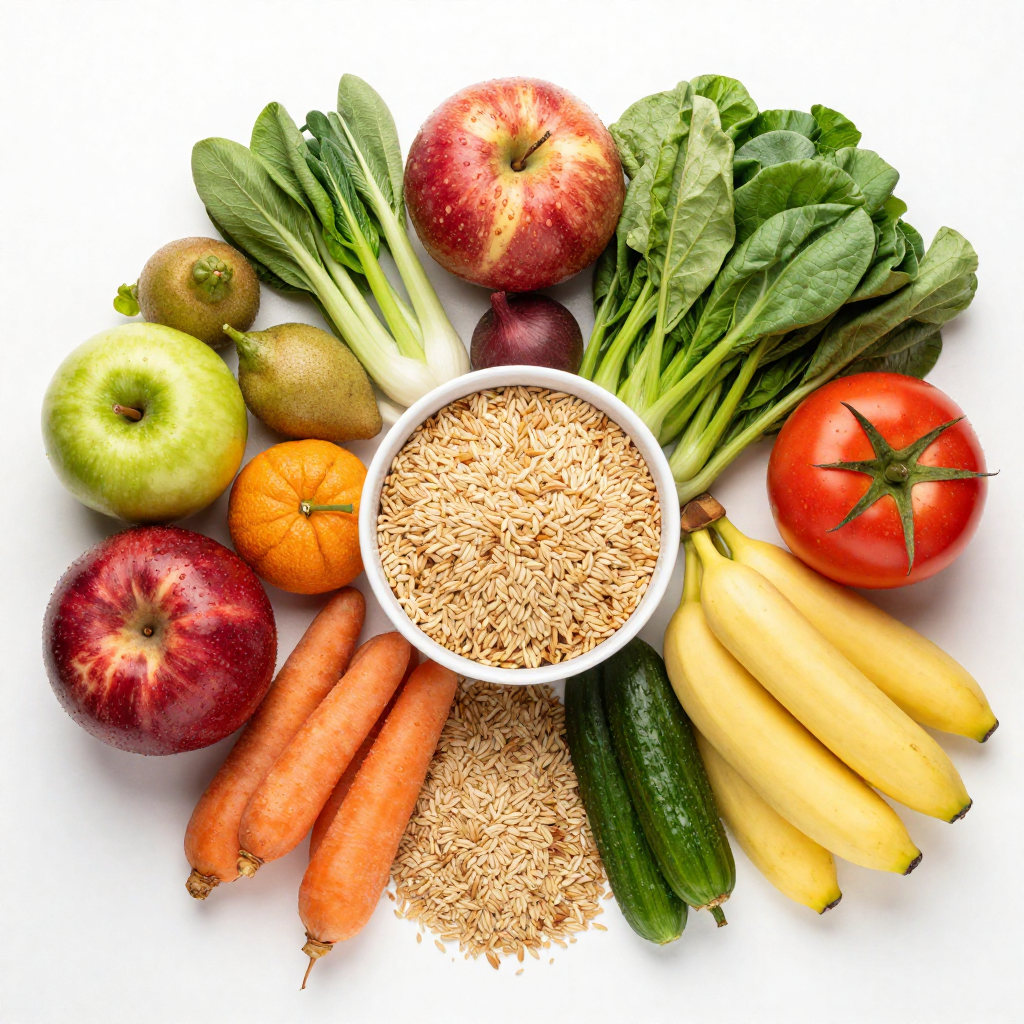
Fruits and vegetables are the foundation of Healthy Food. They are rich in vitamins, minerals, fiber, and antioxidants.
Examples:
- Apples, bananas, oranges
- Spinach, carrots, broccoli
- Tomatoes, cucumbers
2. Whole Grains
Whole grains are an important part of Healthy Food as they provide energy and fiber.
Examples:
- Brown rice
- Oats
- Whole wheat
- Millets
3. Protein-Rich Foods
Proteins help build muscles and repair tissues. Protein is essential in Healthy Food.
Examples:
- Pulses and lentils
- Eggs
- Fish
- Chicken
- Paneer and tofu
4. Healthy Fats
Healthy fats are necessary for brain health and hormone production.
Examples:
- Nuts and seeds
- Olive oil
- Avocados
5. Dairy and Dairy Alternatives
Milk, curd, and yogurt provide calcium and protein, making them part of Healthy Food.
Healthy Food vs Junk Food
| Healthy Food | Junk Food |
|---|---|
| Nutritious and natural | Highly processed |
| Improves health | Causes health issues |
| Rich in vitamins and fiber | High in sugar, salt, and fats |
| Supports immunity | Weakens immunity |
Replacing junk food with Healthy Food can significantly improve lifestyle and long-term health.
Role of Healthy Food in Children’s Growth
Children need Healthy Food for proper physical and mental development. Nutritious meals improve concentration, memory, and energy levels in children.
A child’s diet should include:
- Fruits and vegetables
- Milk and dairy products
- Whole grains
- Protein-rich foods
Early exposure to Healthy Food builds lifelong healthy eating habits.
Healthy Food for Working Professionals
Working professionals often skip meals or eat fast food due to busy schedules. Including Healthy Food improves productivity and reduces fatigue.
Tips:
- Carry homemade lunch
- Eat fruits and nuts as snacks
- Drink enough water
- Avoid sugary drinks
Common Myths About Healthy Food
Myth 1: Healthy Food Is Expensive
Truth: Local fruits, vegetables, and grains are affordable and nutritious.
Myth 2: Healthy Food Is Tasteless
Truth: Healthy Food can be delicious when cooked properly with spices and herbs.
Myth 3: Healthy Food Means Dieting
Truth: Healthy Food is about balanced eating, not starvation.
Tips to Include Healthy Food in Daily Life
- Start your day with fruits or soaked nuts
- Eat more home-cooked meals
- Reduce sugar and salt intake
- Choose whole grains over refined grains
- Drink plenty of water
- Avoid processed and packaged foods
Making small changes helps include Healthy Food consistently.
Healthy Food and Lifestyle Diseases
Unhealthy eating habits cause lifestyle diseases like obesity, diabetes, and heart problems. Regular intake of Healthy Food reduces these risks and promotes longevity.
Doctors and nutritionists always recommend Healthy Food as the first step toward disease prevention.
Conclusion
Healthy Food is the key to a happy, active, and disease-free life. It provides essential nutrients, improves immunity, supports mental health, and prevents chronic illnesses. Choosing Healthy Food does not mean giving up taste; it means making smart and balanced food choices.
By including fruits, vegetables, whole grains, proteins, and healthy fats in daily meals, anyone can enjoy the long-term benefits of Healthy Food. A healthy diet today leads to a healthier future tomorrow.