Introduction to Generative AI Technology
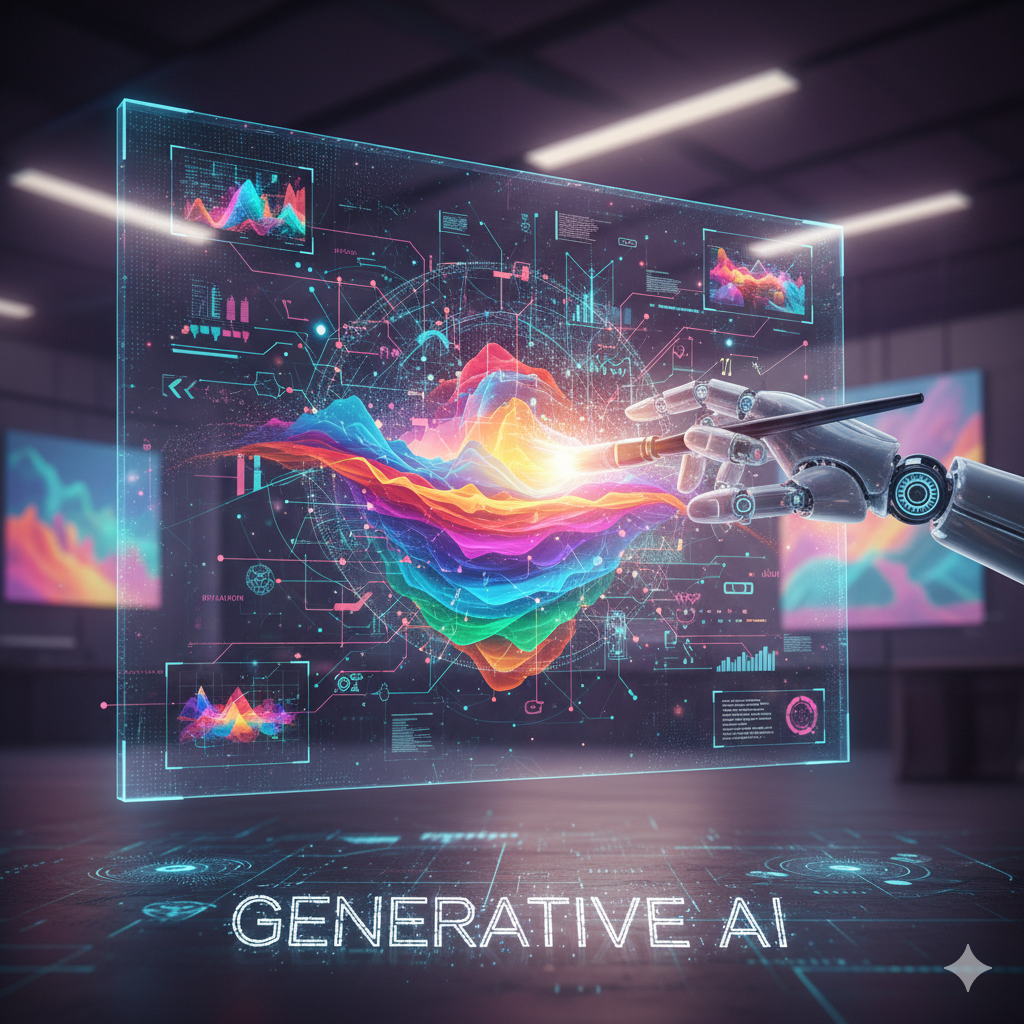
Generative AI Technology is one of the most powerful advancements in modern artificial intelligence. Unlike traditional AI systems that focus only on analyzing or classifying data, generative AI can create entirely new content. From writing articles and generating images to composing music and writing software code, Generative AI Technology is reshaping how humans interact with machines.
In today’s digital-first world, businesses, creators, and developers are rapidly adopting Generative AI Technology to improve productivity, creativity, and efficiency. As data availability and computing power grow, generative AI continues to evolve at an unprecedented pace.
What Is Generative AI Technology?
Generative AI Technology refers to artificial intelligence systems designed to generate new data, content, or outputs that resemble human-created work. These systems learn patterns from massive datasets and use that knowledge to produce original results.
Unlike rule-based systems, Generative AI Technology relies on advanced machine learning models such as neural networks and transformers. These models allow AI to understand context, creativity, and structure across multiple formats.
How Generative AI Technology Works
At the core of Generative AI Technology are deep learning models trained on vast amounts of data. These models analyze relationships, patterns, and structures to generate realistic outputs.
Key components include:
- Large language models (LLMs)
- Neural networks
- Natural language processing
- Cloud computing infrastructure
Through continuous learning, Generative AI Technology improves accuracy, relevance, and creativity.
Evolution of Generative AI Technology
The evolution of Generative AI Technology began with simple rule-based systems and progressed to advanced neural networks. Early AI could only follow instructions, but modern generative AI can create complex and meaningful content.
Breakthroughs in deep learning and transformer models have accelerated the development of Generative AI Technology, making it more accessible and powerful than ever before.
Types of Generative AI Technology
Text Generation
Text-based Generative AI Technology creates human-like written content, including articles, emails, stories, and reports. It understands grammar, tone, and context.
Image Generation
Image generation models create realistic visuals, illustrations, and designs. Generative AI Technology is widely used in marketing, design, and entertainment industries.
Code Generation
Developers use Generative AI Technology to write, debug, and optimize code. This reduces development time and improves software quality.
Audio and Video Generation
Generative AI can produce music, voiceovers, and even videos. These applications are transforming media production and digital storytelling.
Benefits of Generative AI Technology
Generative AI Technology offers numerous benefits across industries:
- Increased productivity
- Enhanced creativity
- Cost efficiency
- Faster content creation
- Personalized user experiences
By automating repetitive tasks, Generative AI Technology allows humans to focus on innovation and strategy.
Generative AI Technology in Business
Businesses are rapidly adopting Generative AI Technology to streamline operations and gain competitive advantages.
Key use cases include:
- Marketing content creation
- Customer support automation
- Product design and innovation
- Data analysis and reporting
Generative AI helps organizations scale faster and deliver better results.
Generative AI Technology in Marketing
Marketing has been transformed by Generative AI Technology. AI-powered tools generate blog posts, social media captions, ad copy, and visuals.
This enables marketers to:
- Produce high-quality content quickly
- Personalize campaigns
- Improve engagement rates
Generative AI Technology in Education
In education, Generative AI Technology supports personalized learning and content creation.
Applications include:
- AI tutors
- Study material generation
- Automated assessments
This improves accessibility and learning outcomes.
Generative AI Technology in Healthcare
Healthcare uses Generative AI Technology for research, diagnostics, and documentation.
Benefits include:
- Faster medical research
- Automated clinical notes
- Improved patient communication
Generative AI Technology in Software Development
Developers rely on Generative AI Technology to accelerate coding and testing processes.
AI-generated code improves productivity and reduces errors, making software development more efficient.
Ethical Considerations of Generative AI Technology
Despite its benefits, Generative AI Technology raises ethical concerns such as:
- Data privacy
- Copyright issues
- AI-generated misinformation
Responsible use of Generative AI Technology is essential to ensure trust and transparency.
Challenges of Generative AI Technology

Some challenges include:
- High computational costs
- Bias in training data
- Dependence on quality datasets
Overcoming these challenges will shape the future of Generative AI Technology.
Generative AI Technology and the Future of Work
Generative AI Technology is changing how people work by automating content creation and analysis.
While some tasks may be automated, generative AI also creates new roles focused on AI management and creativity.
Future Trends in Generative AI Technology
The future of Generative AI Technology includes:
- More accurate models
- Multimodal AI systems
- Better human-AI collaboration
These advancements will further expand AI’s impact.
How to Adapt to Generative AI Technology
To stay relevant, individuals and businesses should:
- Learn AI tools
- Focus on creative and strategic skills
- Use AI responsibly
Adaptation ensures long-term success in an AI-driven world.
Conclusion: The Power of Generative AI Technology
Generative AI Technology is redefining creativity, productivity, and innovation. From content creation and software development to healthcare and education, generative AI is transforming industries worldwide.
By embracing Generative AI Technology ethically and strategically, businesses and individuals can unlock new opportunities and shape a smarter, more innovative future.