Fashion is entering a transformative era. The Future Fashion Shift is redefining how people perceive clothing, identity, sustainability, and technology. No longer limited to seasonal trends, fashion in 2026 represents a lifestyle philosophy rooted in purpose, personalization, and responsibility.
This extended guide explores how the Future Fashion Shift is influencing sustainability, digital innovation, personal branding, and long-term wardrobe strategy.
1. Understanding the Future Fashion Shift
The Future Fashion Shift is not just about changing trends—it is about evolving values. Consumers are becoming more conscious of environmental impact, ethical production, and personal expression.
Key elements driving the Future Fashion Shift include:
- Sustainability awareness
- Minimalist wardrobe thinking
- Technology integration
- Digital identity expression
- Inclusive design
Modern fashion reflects cultural awareness and long-term thinking.
2. The End of Fast Fashion Dominance
Fast fashion once dominated global markets through rapid production and low prices. However, environmental concerns and ethical debates are reshaping buying behaviors.
The Future Fashion Shift emphasizes:
- Quality over quantity
- Durable fabrics
- Transparent supply chains
- Ethical labor practices
Consumers now ask:
“Who made my clothes?”
“What materials are used?”
“How long will this garment last?”
This mindset signals a major transformation in purchasing patterns.
3. Sustainable Fabrics Leading 2026 Trends
Sustainable materials define the Future Fashion Shift.
Popular eco-friendly fabrics include:
- Organic cotton
- Hemp textiles
- Recycled polyester
- Tencel
- Bamboo fiber
- Linen
These fabrics reduce environmental impact while maintaining comfort and durability. Sustainable fashion trends now prioritize natural dyes and biodegradable materials.
4. Smart Wardrobe Planning and Capsule Fashion
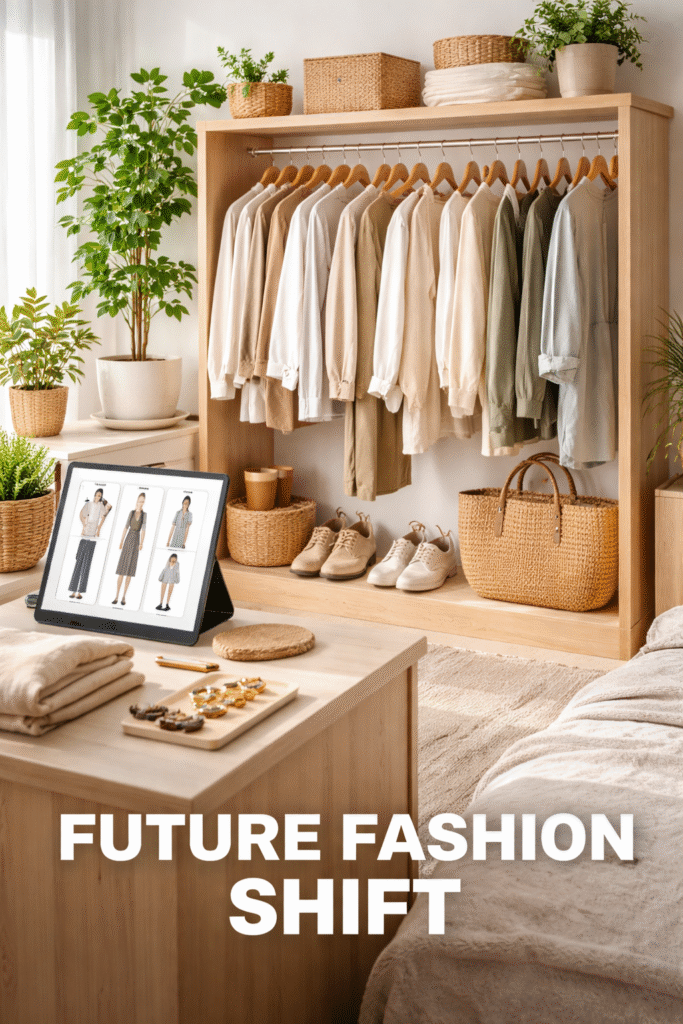
One of the strongest pillars of the Future Fashion Shift is smart wardrobe planning.
A capsule wardrobe includes:
- 20–30 versatile pieces
- Neutral base colors
- Seasonal layering items
- Statement accessories
This approach:
- Reduces clutter
- Saves money
- Simplifies styling
- Encourages sustainability
Capsule wardrobe 2026 trends focus on flexibility and longevity.
5. Technology and AI in Fashion
Technology plays a major role in the Future Fashion Shift.
AI Styling Assistants
AI analyzes body type, preferences, and trends to recommend outfits.
Virtual Try-On Technology
Augmented reality allows users to visualize outfits before purchasing online.
Smart Textiles
Innovative fabrics regulate temperature and improve performance.
Tech-driven fashion is improving convenience, personalization, and consumer confidence.
6. Digital Fashion and Virtual Identity
Digital fashion is expanding rapidly. Virtual clothing collections are being designed for avatars, gaming platforms, and social media.
The Future Fashion Shift includes:
- NFT fashion pieces
- Virtual runway shows
- Metaverse fashion stores
- Digital-only outfits
As online presence grows, digital fashion innovation becomes more valuable.
7. Fashion as Personal Branding
Clothing now reflects professional ambition and social identity.
The Future Fashion Shift encourages intentional dressing aligned with goals. Entrepreneurs, influencers, and professionals curate wardrobes that match their personal brand.
Fashion communicates:
- Confidence
- Authority
- Creativity
- Cultural awareness
Your style becomes part of your digital reputation.
8. Gender-Neutral and Inclusive Design
Inclusivity is a defining element of the Future Fashion Shift.
Modern brands prioritize:
- Gender-neutral silhouettes
- Adaptive clothing
- Expanded size ranges
- Cultural diversity representation
Fashion in 2026 celebrates individuality rather than enforcing strict categories.
9. Color Psychology and Mood Styling
Color influences perception and emotional response.
The Future Fashion Shift incorporates color psychology strategically:
- Blue for trust
- Black for authority
- Green for sustainability
- Earth tones for stability
- Pastels for calmness
Choosing colors intentionally enhances wardrobe impact.
10. Sustainable Luxury and Craftsmanship
Luxury fashion is evolving. Instead of mass production, modern luxury focuses on:
- Handmade craftsmanship
- Limited editions
- Long-lasting materials
- Ethical sourcing
The Future Fashion Shift redefines luxury as responsibility combined with quality.
11. The Economic Impact of the Future Fashion Shift
Sustainable and tech-driven fashion models are reshaping global supply chains. Brands that adapt to ethical standards and digital transformation maintain competitive advantage.
Investors increasingly support fashion companies aligned with environmental responsibility and innovation.
12. Social Media Influence on Fashion Trends
Social platforms accelerate trend cycles but also promote sustainability awareness.
The Future Fashion Shift benefits from:
- Influencers advocating conscious fashion
- Educational fashion content
- DIY styling inspiration
- Transparent brand communication
Consumers are more informed than ever.
13. Building a Future-Proof Wardrobe
Practical steps to embrace the Future Fashion Shift:
- Audit your current wardrobe
- Remove unused items
- Invest in versatile basics
- Research sustainable brands
- Avoid impulse shopping
Future-proof fashion means long-term thinking.
14. Fashion and Mental Confidence
Clothing impacts mindset. Dressing intentionally improves confidence and productivity.
The Future Fashion Shift connects style with mental wellness. Wearing comfortable, well-fitted clothing enhances mood and performance.
15. Fashion in 2026 and Beyond
Looking ahead, the Future Fashion Shift will include:
- Hyper-personalized AI styling
- Sustainable manufacturing innovation
- Digital clothing marketplaces
- Circular fashion economy models
The transformation is ongoing and expanding.
Conclusion: Embracing the Future Fashion Shift
The Future Fashion Shift represents a powerful transformation in modern style. It blends sustainability, technology, inclusivity, and identity into one cohesive movement.
Fashion is no longer just about appearance—it is about purpose. By embracing smart wardrobe planning, ethical purchasing, and digital innovation, individuals can participate in a style revolution that benefits both personal growth and the planet.
The future of fashion is intentional, intelligent, and inclusive.