

Introduction to Wellness
Wellness is more than just the absence of illness; it is a conscious, active process of making choices that lead to a healthy and fulfilling life. In today’s fast-paced world, people are increasingly realizing the importance of Wellness as a foundation for long-term happiness, productivity, and overall well-being.
The concept of Wellness focuses on balance—balancing physical health, mental clarity, emotional stability, social connections, and even spiritual growth. When all these areas work together, a person experiences a higher quality of life. Unlike temporary health trends, Wellness is a lifelong journey that evolves with your needs, goals, and lifestyle.
What Is Wellness?
Wellness refers to a holistic state of health that goes beyond treating diseases. It emphasizes prevention, self-care, and conscious living. Instead of reacting to illness, Wellness encourages proactive habits that support the body and mind every day.
At its core, Wellness involves:
- Making healthy lifestyle choices
- Maintaining mental and emotional balance
- Developing positive relationships
- Practicing self-awareness and mindfulness
By embracing Wellness, individuals take responsibility for their health and actively work toward long-term well-being.
The Importance of Wellness in Modern Life
In the digital age, stress, sedentary lifestyles, and unhealthy eating habits have become common. This makes Wellness more important than ever. Chronic stress and poor lifestyle choices can lead to serious health issues, including heart disease, anxiety, and weakened immunity.
Practicing Wellness helps:
- Reduce stress and anxiety
- Improve physical fitness and energy levels
- Strengthen immunity
- Enhance emotional resilience
- Increase productivity and focus
When Wellness becomes a priority, individuals experience not only better health but also a greater sense of purpose and satisfaction in life.
The Dimensions of Wellness
Physical Wellness
Physical Wellness focuses on caring for your body through regular exercise, proper nutrition, adequate sleep, and preventive healthcare. It involves understanding your body’s needs and responding with healthy habits.
Key practices for physical Wellness include:
- Eating a balanced, nutrient-rich diet
- Staying physically active
- Getting enough sleep
- Avoiding harmful habits
Maintaining physical Wellness provides the energy and strength needed to handle daily responsibilities effectively.
Mental Wellness
Mental Wellness involves maintaining a healthy state of mind, managing stress, and staying mentally sharp. It includes emotional regulation, positive thinking, and the ability to cope with life’s challenges.
To improve mental Wellness:
- Practice mindfulness and meditation
- Limit negative self-talk
- Engage in activities that stimulate the brain
- Seek support when needed
Strong mental Wellness enhances decision-making, creativity, and emotional stability.
Emotional Wellness
Emotional Wellness is about understanding, expressing, and managing emotions in a healthy way. It helps individuals build resilience and maintain positive relationships.
Healthy emotional Wellness includes:
- Recognizing emotions without judgment
- Communicating feelings effectively
- Building healthy relationships
- Practicing self-compassion
When emotional Wellness is strong, people feel more confident, secure, and connected.
Social Wellness
Social Wellness focuses on building and maintaining meaningful relationships. Human connection plays a vital role in overall Wellness, contributing to emotional support and a sense of belonging.
Ways to enhance social Wellness:
- Spending quality time with loved ones
- Communicating openly and honestly
- Participating in community activities
- Respecting boundaries
Strong social Wellness leads to better mental health and reduced feelings of loneliness.
Spiritual Wellness
Spiritual Wellness does not necessarily involve religion; it relates to finding meaning, purpose, and inner peace. It helps individuals align their actions with their values.
Spiritual Wellness can be nurtured through:
- Meditation or prayer
- Self-reflection
- Gratitude practices
- Connecting with nature
This dimension of Wellness promotes inner balance and long-term fulfillment.
Wellness and Nutrition
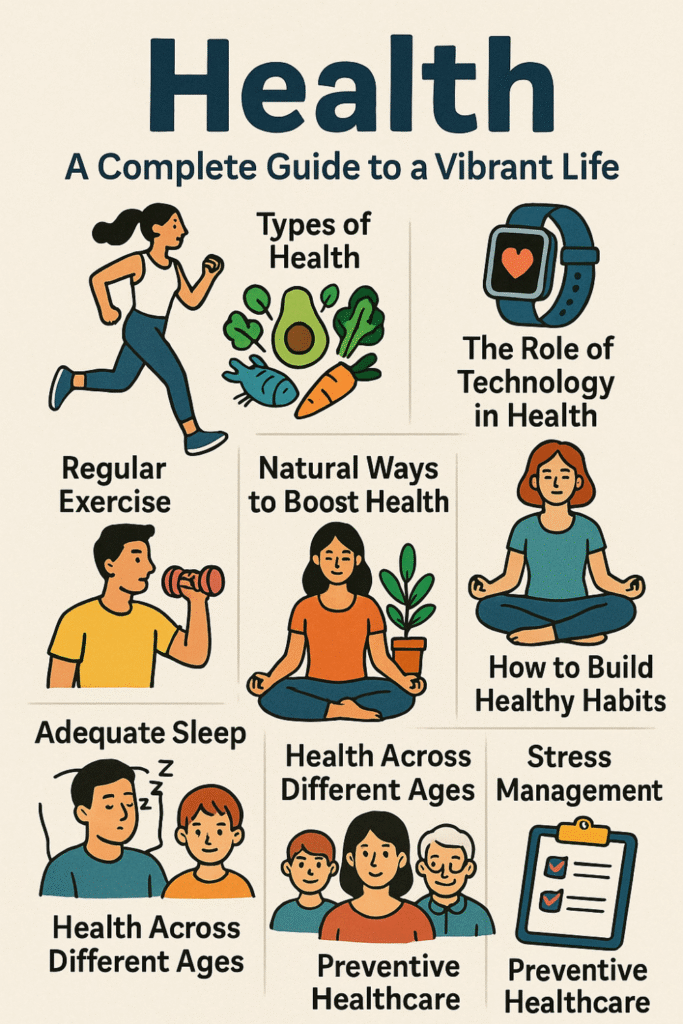
Nutrition plays a crucial role in Wellness. What you eat directly affects energy levels, immunity, mental clarity, and emotional balance. A Wellness-focused diet emphasizes whole, unprocessed foods.
Key nutritional habits for Wellness:
- Eating fruits and vegetables daily
- Choosing whole grains and lean proteins
- Staying hydrated
- Limiting processed foods and sugar
Proper nutrition supports every dimension of Wellness, helping the body function optimally.
Fitness and Wellness
Physical activity is a cornerstone of Wellness. Regular exercise improves cardiovascular health, strengthens muscles, and boosts mental health by releasing endorphins.
Effective fitness habits for Wellness include:
- Daily movement, even light activity
- Strength training and flexibility exercises
- Consistency over intensity
- Enjoyable physical activities
Fitness enhances overall Wellness by increasing confidence, energy, and resilience.
Wellness and Mental Health
Mental health is inseparable from Wellness. Chronic stress, anxiety, and burnout can disrupt balance and reduce quality of life. Practicing Wellness strategies helps protect mental health.
Mental health practices for Wellness:
- Stress management techniques
- Mindfulness and breathing exercises
- Healthy work-life balance
- Seeking professional support when necessary
Prioritizing mental Wellness leads to improved emotional stability and happiness.
Wellness in Daily Life
Incorporating Wellness into daily routines does not require drastic changes. Small, consistent habits make a significant difference over time.
Simple daily Wellness habits:
- Morning stretching or meditation
- Balanced meals
- Regular breaks from screens
- Evening reflection or journaling
Daily Wellness practices build a strong foundation for long-term health.
Workplace Wellness
Workplace Wellness has gained importance as job stress and burnout rise. Organizations that promote Wellness see higher productivity and employee satisfaction.
Workplace Wellness strategies:
- Encouraging regular breaks
- Promoting ergonomic workspaces
- Supporting mental health initiatives
- Fostering a positive work culture
Healthy workplaces contribute significantly to overall Wellness.
Digital Wellness
With increasing screen time, digital Wellness has become essential. Excessive device use can affect sleep, focus, and mental health.
Tips for digital Wellness:
- Limiting screen time
- Taking regular digital breaks
- Avoiding screens before sleep
- Practicing mindful technology use
Digital Wellness helps restore balance in a technology-driven world.
The Long-Term Benefits of Wellness
Practicing Wellness consistently leads to long-term benefits that extend beyond physical health.
Benefits of Wellness include:
- Increased life expectancy
- Reduced risk of chronic diseases
- Improved mental clarity
- Stronger relationships
- Greater life satisfaction
A commitment to Wellness creates a healthier, happier future.
How to Start Your Wellness Journey
Starting a Wellness journey begins with self-awareness. Identify areas that need improvement and set realistic goals.
Steps to begin Wellness:
- Assess your current lifestyle
- Set achievable goals
- Build healthy routines
- Track progress
- Stay consistent
Remember, Wellness is a journey, not a destination.
Conclusion: Embracing Wellness for a Better Life
Wellness is a powerful, life-changing approach that empowers individuals to live healthier, more balanced lives. By nurturing physical, mental, emotional, social, and spiritual health, Wellness creates harmony and resilience.
Incorporating Wellness into everyday life leads to long-term health, happiness, and fulfillment. When you prioritize Wellness, you invest in the most valuable asset you have—yourself.