Introduction to Chatbot
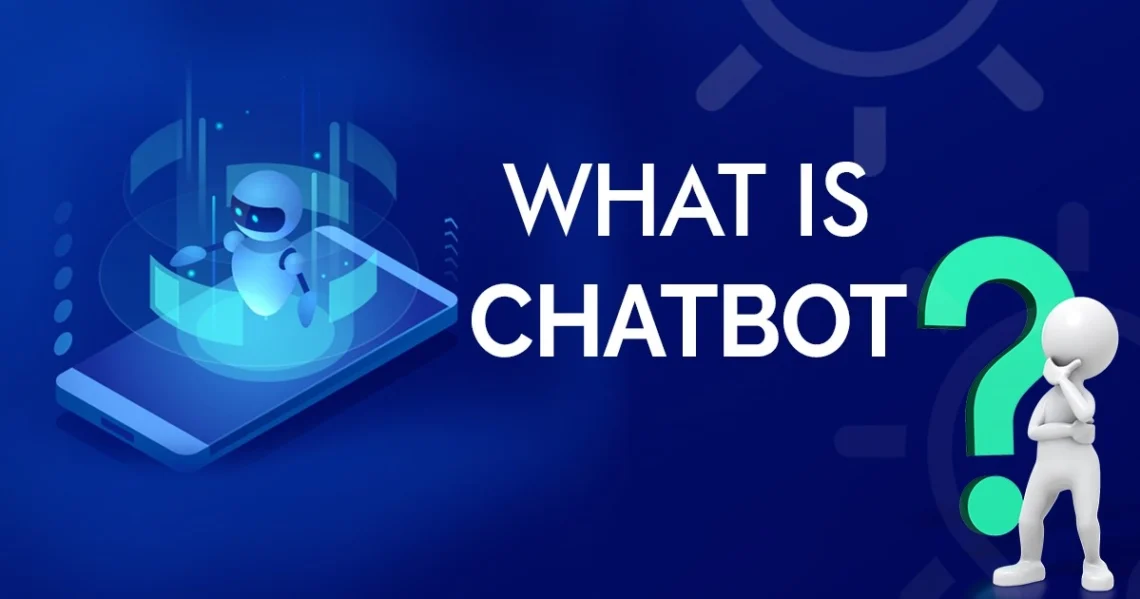
In today’s digital world, technology is transforming how businesses and individuals communicate. One of the most important innovations in this field is the Chatbot. A Chatbot is a software program designed to simulate human conversation using artificial intelligence, natural language processing, and machine learning technologies.
A Chatbot allows users to interact with digital systems through text or voice messages. Instead of talking to a human agent, users can get instant responses from a Chatbot. This saves time, improves efficiency, and enhances customer satisfaction.
From customer support to online shopping, education to healthcare, Chatbot technology is becoming an essential part of modern digital platforms. Businesses of all sizes now use Chatbot systems to provide better services and improve user experience.
In this guide, you will learn everything about Chatbot technology, including its meaning, working process, types, benefits, applications, challenges, and future scope.
What is a Chatbot?
A Chatbot is an automated computer program that communicates with users through chat interfaces. It uses predefined rules or artificial intelligence to understand user questions and provide suitable answers.
Simply put, a Chatbot acts like a virtual assistant that can talk to people in real time and provide quick solutions.
Key Features of a Chatbot
- Provides instant replies
- Works 24/7 without breaks
- Handles multiple users at once
- Reduces workload of human staff
- Improves customer experience
A Chatbot can be integrated into websites, mobile apps, social media platforms, and messaging applications such as WhatsApp, Facebook Messenger, and Telegram.
History and Evolution of Chatbot
The concept of Chatbot is not new. It started many years ago and has evolved significantly with technology.
Early Chatbots
- ELIZA (1966): The first Chatbot that simulated a psychologist
- ALICE (1995): Used pattern matching techniques
- SmarterChild (2001): Popular on instant messaging platforms
These early Chatbot systems were rule-based and had limited capabilities.
Modern Chatbots
With the development of artificial intelligence, modern Chatbot systems have become smarter. Today’s Chatbot uses:
- Machine Learning
- Deep Learning
- Natural Language Processing (NLP)
- Big Data Analytics
These technologies allow a Chatbot to understand context, emotions, and user intent.
How Does a Chatbot Work?
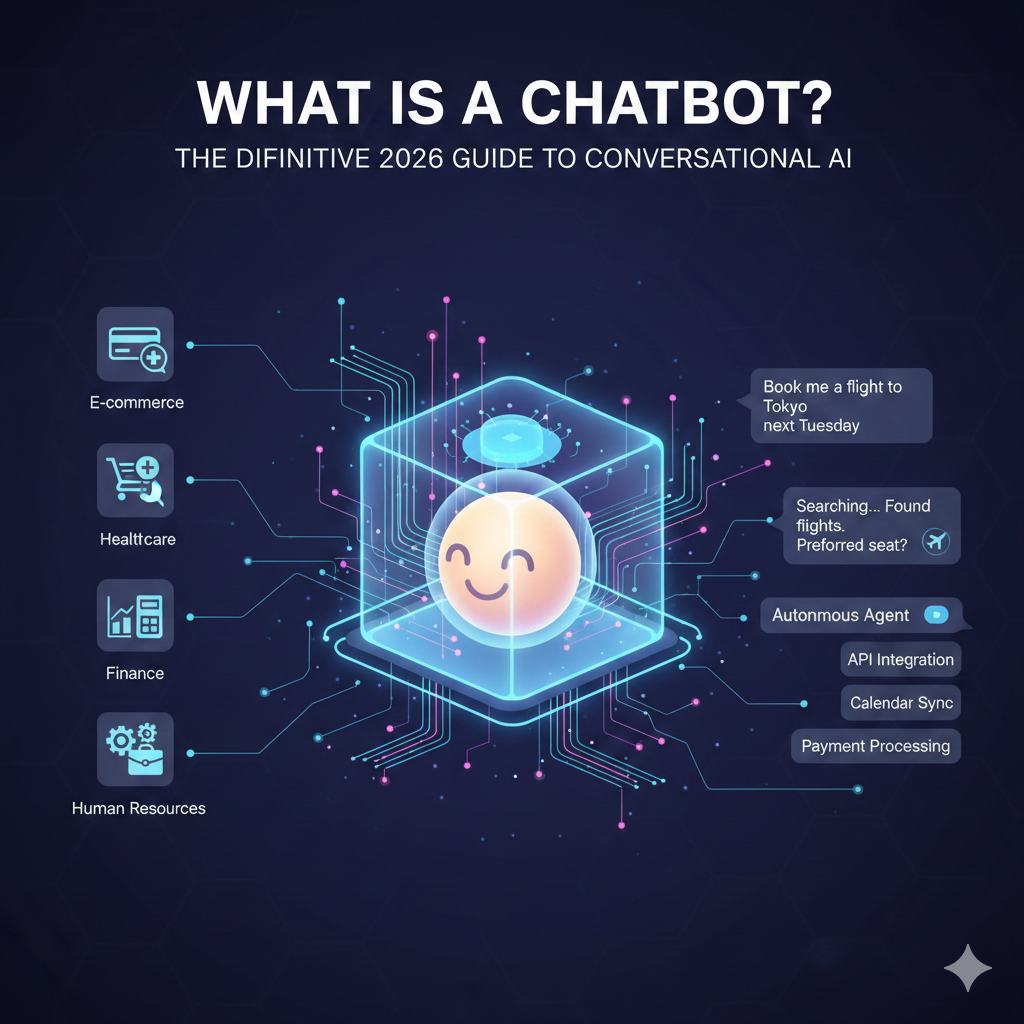
A Chatbot works through several technical steps that help it understand and respond to users.
Step 1: User Input
The user types or speaks a message to the Chatbot.
Example:
“Where is my order?”
Step 2: Natural Language Processing
The Chatbot uses NLP to analyze:
- Words
- Grammar
- Meaning
- Intent
This helps the Chatbot understand what the user wants.
Step 3: Intent Recognition
The system identifies the user’s intention, such as:
- Order tracking
- Complaint
- Product inquiry
- Technical support
Step 4: Response Generation
The Chatbot selects the best answer from its database or generates a new one using AI.
Step 5: Output Delivery
The response is sent back to the user in text or voice format.
This entire process happens within seconds through the Chatbot system.
Types of Chatbot
There are different types of Chatbot systems based on their working methods.
1. Rule-Based Chatbot
A rule-based Chatbot follows predefined rules.
Features:
- Works on “if-then” logic
- Limited responses
- Easy to build
- Low cost
2. AI-Based Chatbot
An AI-based Chatbot uses artificial intelligence.
Features:
- Learns from experience
- Understands natural language
- Improves over time
- Handles complex queries
These Chatbot systems are more powerful and flexible.
3. Hybrid Chatbot
A hybrid Chatbot combines rule-based and AI-based systems.
Features:
- Balanced performance
- Cost-effective
- Reliable responses
- Better accuracy
Most modern businesses use hybrid Chatbot models.
Benefits of Using Chatbot
Implementing a Chatbot offers many advantages for businesses and users.
1. 24/7 Availability
A Chatbot works all day and night.
2. Cost Reduction
A Chatbot reduces operational costs.
3. Faster Response Time
A Chatbot replies instantly.
4. Scalability
One Chatbot can handle thousands of users.
5. Improved Customer Experience
A Chatbot builds trust and loyalty.
6. Data Collection
A Chatbot collects valuable customer data.
Applications of Chatbot in Different Industries
Chatbot technology is used in many sectors.
Business and Customer Support
Companies use Chatbot systems for customer assistance.
E-Commerce
Online stores use Chatbot for product suggestions.
Healthcare
Healthcare Chatbot systems assist patients.
Education
Educational Chatbot platforms support students.
Banking and Finance
Banks use Chatbot for financial services.
Travel and Tourism
Travel Chatbot systems help users plan trips.
Role of Artificial Intelligence in Chatbot
Artificial Intelligence makes Chatbot systems intelligent and responsive.
- Machine Learning improves learning ability
- NLP enhances understanding
- Deep Learning increases accuracy
- Sentiment Analysis improves emotional response
These technologies make Chatbot systems highly effective.
How to Build a Chatbot
Creating a Chatbot requires proper planning.
Step 1: Define Purpose
Decide your Chatbot goal.
Step 2: Choose Platform
Select where the Chatbot will run.
Step 3: Select Technology
Choose the Chatbot model.
Step 4: Design Conversation Flow
Plan user-friendly dialogues.
Step 5: Development
Use professional Chatbot tools.
Step 6: Testing and Deployment
Launch the tested Chatbot.
Challenges of Chatbot Technology
Even though Chatbot systems are powerful, they have challenges.
- Limited understanding
- Lack of emotions
- Privacy risks
- Maintenance cost
- Technical complexity
These issues affect Chatbot performance.
Best Practices for Effective Chatbot Implementation
To improve Chatbot performance:
- Keep language simple
- Provide human support
- Update regularly
- Monitor results
These steps enhance Chatbot efficiency.
Future Scope of Chatbot Technology
The future of Chatbot technology is bright.
- Voice-based Chatbot systems
- IoT-integrated Chatbot
- Personalized Chatbot services
- Multilingual Chatbot support
- Emotion-aware Chatbot
These trends will shape the next generation of Chatbot systems.
Chatbot and Digital Marketing
Chatbot plays a major role in online marketing.
- Lead generation
- Customer engagement
- Sales automation
- Feedback collection
A Chatbot helps businesses grow digitally.
Why Every Business Needs a Chatbot
In today’s market, a Chatbot is essential.
Benefits:
- Higher efficiency
- Increased sales
- Better retention
- Reduced workload
- Strong branding
A well-designed Chatbot gives businesses a competitive advantage.
Conclusion
A Chatbot is one of the most powerful digital tools in the modern era. It helps businesses and individuals communicate effectively, save time, reduce costs, and improve user satisfaction.
With the support of artificial intelligence and machine learning, Chatbot technology continues to evolve. From customer service to education, healthcare to finance, Chatbot systems are transforming every industry.
By understanding how a Chatbot works, its benefits, and applications, businesses can make smart decisions and gain competitive advantages.
Implementing a reliable Chatbot is a step toward digital success, customer satisfaction, and long-term growth.