Introduction
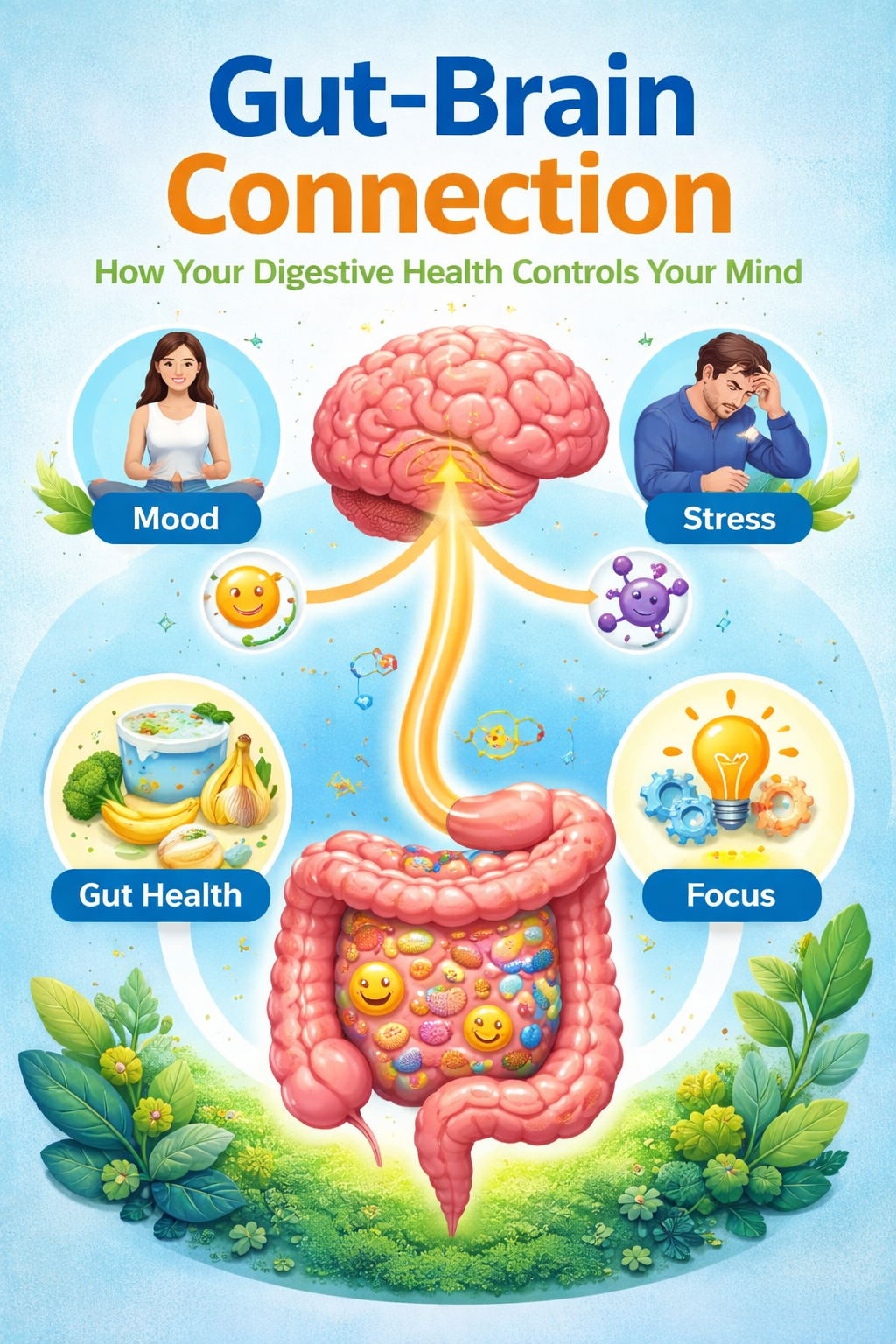
The Gut-Brain Connection is one of the most powerful and fascinating links inside the human body. Many people believe that the brain controls everything, but modern science proves that the gut also plays a major role in shaping our thoughts, emotions, and behavior.
Your stomach and intestines are not just responsible for digestion. They constantly communicate with your brain. This communication affects your mood, stress levels, memory, sleep, and even confidence.
If you often feel anxious, tired, unfocused, or emotionally low, your gut health might be the hidden reason. Understanding the Gut-Brain Connection can help you improve both mental and physical wellness naturally.
In this article, you will learn how this connection works, why it matters, and how to strengthen it for a healthier life.
What Is the Gut-Brain Connection?
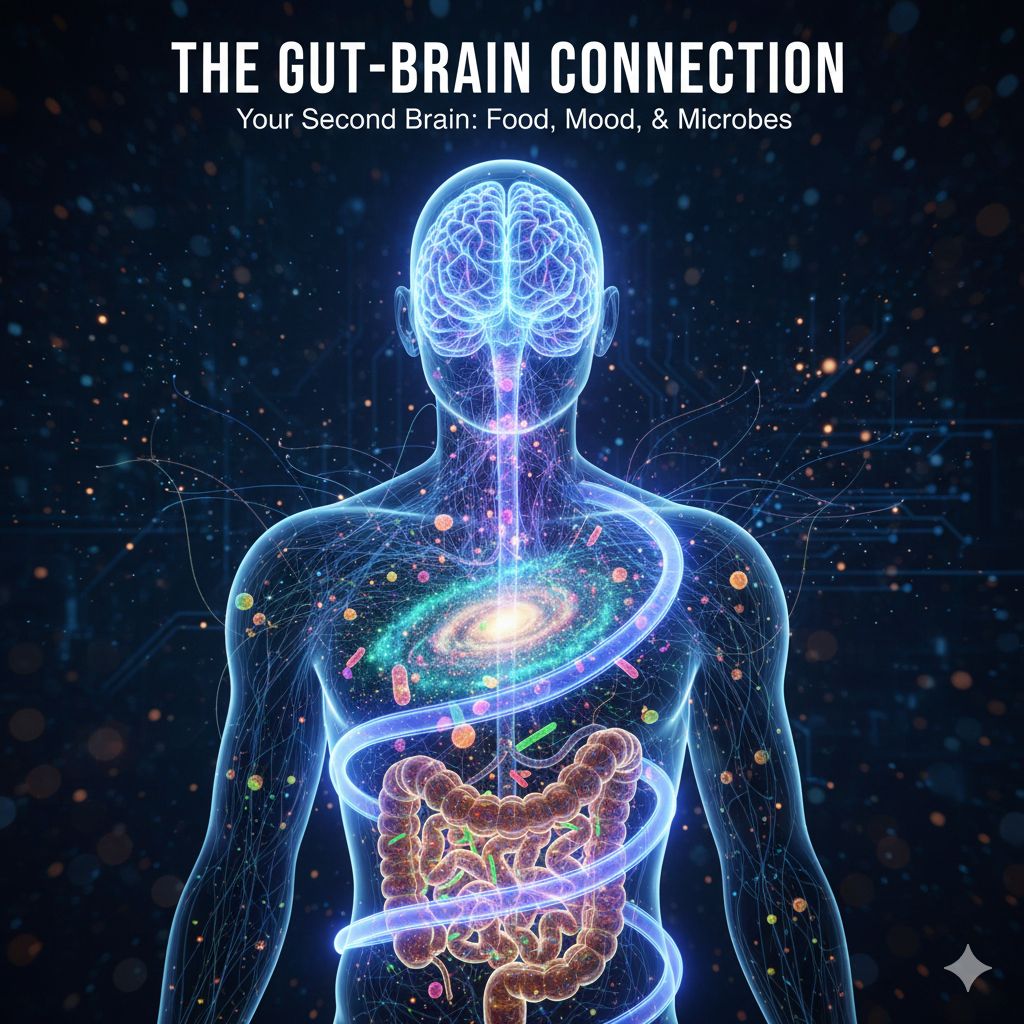
The Gut-Brain Connection refers to the direct communication system between your digestive system and your brain.
Your gut contains:
- More than 100 million nerve cells
- Trillions of bacteria
- A complex nervous network
Because of this, the gut is often called the “second brain.”
This system is scientifically known as the Enteric Nervous System (ENS). It works independently but also communicates with your brain through nerves, hormones, and chemicals.
When your gut is healthy, your brain works better. When your gut is weak, mental problems can appear.
How the Gut and Brain Communicate
The Gut-Brain Connection works through three main channels:
1. Vagus Nerve
This is the main nerve that connects the gut and brain. It sends messages in both directions.
2. Hormones and Chemicals
Your gut produces important chemicals like:
- Serotonin (happy hormone)
- Dopamine (motivation hormone)
- GABA (calming hormone)
Nearly 90% of serotonin is produced in the gut, not the brain.
3. Gut Bacteria (Microbiome)
Your gut contains good bacteria that influence your mood, immunity, and thinking.
When these bacteria are balanced, mental health improves.
Why Gut Health Affects Mental Health
A weak gut can disturb the Gut-Brain Connection and lead to mental problems.
Common effects include:
- Anxiety
- Depression
- Mood swings
- Brain fog
- Poor focus
- Sleep issues
When harmful bacteria increase, they produce toxins. These toxins reach the brain and disturb emotions.
A healthy gut sends positive signals to the brain, creating mental stability.
Role of Gut Bacteria in Brain Function
Your gut microbiome is like an internal ecosystem.
Good bacteria help in:
- Producing vitamins
- Breaking food
- Reducing inflammation
- Controlling stress
Bad bacteria cause:
- Infections
- Inflammation
- Mental fatigue
The balance between good and bad bacteria decides how strong your Gut-Brain Connection will be.
Stress and Its Impact on Gut-Brain Connection
Stress is one of the biggest enemies of gut health.
When you feel stressed:
- Digestion slows
- Acid increases
- Bacteria balance changes
- Inflammation rises
This damages the Gut-Brain Connection and creates a cycle:
Stress → Poor Gut → More Stress → Worse Health
Breaking this cycle is important for wellness.
Symptoms of Poor Gut-Brain Connection
If your gut-brain link is weak, you may experience:
- Frequent stomach pain
- Gas and bloating
- Anxiety
- Low confidence
- Depression
- Lack of motivation
- Poor memory
- Fatigue
These symptoms often appear together.
Ignoring them can lead to serious health issues.
Foods That Strengthen Gut-Brain Connection
Food is the foundation of the Gut-Brain Connection.
Best Foods for Gut Health
1. Probiotic Foods
They contain good bacteria.
Examples:
- Curd
- Yogurt
- Buttermilk
- Kimchi
- Pickles (natural)
2. Prebiotic Foods
They feed good bacteria.
Examples:
- Banana
- Garlic
- Onion
- Oats
- Apples
3. Fiber-Rich Foods
Fiber cleans the gut.
Examples:
- Vegetables
- Fruits
- Whole grains
- Seeds
4. Healthy Fats
Support brain function.
Examples:
- Nuts
- Seeds
- Olive oil
- Fish
Eating these daily improves the Gut-Brain Connection naturally.
Foods That Damage Gut-Brain Health
Avoid these to protect your mental health:
- Junk food
- Sugary drinks
- Packaged snacks
- Artificial sweeteners
- Excess caffeine
- Alcohol
These foods increase bad bacteria and weaken the gut.
Lifestyle Habits That Improve Gut-Brain Connection
1. Get Enough Sleep
Sleep repairs gut cells and brain neurons.
Aim for 7–8 hours daily.
2. Exercise Regularly
Physical activity increases good bacteria.
Simple walking is enough.
3. Practice Meditation
Meditation reduces stress hormones and supports digestion.
4. Drink Enough Water
Water flushes toxins and supports digestion.
5. Eat on Time
Fixed meal timings help regulate gut rhythms.
Gut-Brain Connection and Anxiety
Many anxiety disorders are linked to gut problems.
When gut bacteria are disturbed:
- Cortisol increases
- Serotonin decreases
- Fear responses increase
Healing the gut can reduce anxiety naturally.
Many therapists now combine diet therapy with mental therapy.
Gut-Brain Connection and Depression
Depression is not only mental. It is also physical.
Low serotonin production in the gut leads to sadness and hopelessness.
By improving digestion, many people feel emotional relief.
This proves the power of the Gut-Brain Connection.
Gut-Brain Connection in Children
Children’s brain development depends on gut health.
Poor diet in childhood can cause:
- Attention problems
- Learning difficulties
- Mood disorders
Providing healthy food builds a strong foundation.
Gut-Brain Connection in Adults
In adults, weak gut health leads to:
- Work stress
- Burnout
- Low productivity
- Emotional imbalance
Busy lifestyles often ignore digestion, causing long-term problems.
Gut-Brain Connection and Immunity
70% of immunity is in the gut.
A strong gut:
- Prevents infections
- Reduces inflammation
- Protects brain cells
When immunity drops, mental health also suffers.
Natural Remedies for Better Gut-Brain Health
1. Herbal Tea
Ginger, mint, chamomile improve digestion.
2. Warm Water
Drinking warm water in the morning cleans intestines.
3. Triphala (Ayurvedic)
Supports gut balance naturally.
4. Probiotic Supplements
Only if recommended by doctors.
How Long Does It Take to Improve Gut-Brain Connection?
With consistency:
- 7 days: Better digestion
- 14 days: Improved mood
- 30 days: Better focus
- 90 days: Strong mental balance
Patience is key.
Common Myths About Gut-Brain Connection
Myth 1: Only brain controls emotions
Truth: Gut also controls emotions.
Myth 2: Medicines alone fix depression
Truth: Diet and gut health are equally important.
Myth 3: Digestion is separate from mental health
Truth: They are deeply connected.
Daily Routine for Strong Gut-Brain Connection
Morning:
- Drink warm water
- Walk 10 minutes
Breakfast:
- Fruits + curd
Lunch:
- Rice/roti + vegetables + protein
Evening:
- Herbal tea
Dinner:
- Light meal
Night:
- No mobile before sleep
This routine improves gut and brain harmony.
Future of Gut-Brain Research
Scientists are discovering:
- Personalized diet plans
- Microbiome therapy
- Mental health probiotics
In future, many mental treatments will start with gut treatment.
Conclusion
The Gut-Brain Connection is the hidden key to mental clarity, emotional balance, and physical wellness. Your gut is not just a digestive organ—it is your emotional control center.
By eating healthy, reducing stress, exercising regularly, and maintaining good habits, you can strengthen this powerful connection.
You don’t need expensive medicines. Small daily changes can transform your life.
When your gut is healthy, your mind becomes strong.
When your mind is strong, your life becomes successful.
Start today. Heal your gut. Empower your brain.